Hair Transplant Correction in Columbus & Dublin, OH

Discover Hair Transplant Revision for Natural-Looking Results
A previous hair transplant that produced unnatural results can affect both your appearance and confidence. Dr. Bapna specializes in hair transplant revision for patients throughout Columbus, Dublin, and Central Ohio. His advanced FUE techniques restore a more natural hairline, improve density, camouflage scarring, and correct previous surgical outcomes.
What Is Hair Transplant Revision?
Hair transplant revision, also known as a hair transplant correction, is a specialized procedure designed to improve or repair the results of a previous hair restoration surgery. While modern techniques have significantly advanced the field of hair transplantation, some patients underwent procedures years ago using outdated methods, while others may have experienced disappointing outcomes due to poor planning or surgical execution.
Revision surgery focuses on correcting aesthetic concerns while preserving valuable donor hair for the future. Every treatment plan is customized based on the patient’s existing hair, donor availability, previous procedures, and long-term goals.
Common Problems Hair Transplant Correction Can Improve
Every patient has a unique reason for seeking hair transplant correction, but many concerns fall into several common categories due to errors in judgment and technique.
- Pluggy or Outdated Hair Transplants: Older transplant techniques often relied on larger grafts that created an obvious “hair plug” appearance. Today’s advanced FUE techniques utilize naturally occurring follicular units to produce softer, more realistic results.
- Unnatural Hairline Design: The hairline frames the face. If it is positioned too low, too straight, too dense, or inconsistent with your facial features, it can immediately reveal that a transplant has been performed.
- Hair Growing in the Wrong Direction: Proper graft angle and direction are essential for natural movement and styling. Poorly placed grafts can make transplanted hair difficult to manage and appear unnatural.
- Low Density or Poor Growth: Some patients experience disappointing density due to poor graft survival, inadequate planning, or progression of underlying hair loss after surgery.
- Visible Scarring: Both donor and recipient areas may develop noticeable scarring. Fortunately, many scars can be significantly improved using modern FUE graft placement techniques.
- Depleted Donor Supply: Revision surgery requires careful management of the remaining donor hair. Dr. Bapna carefully evaluates every follicle to maximize long-term results while preserving future treatment options.
Before and After Results
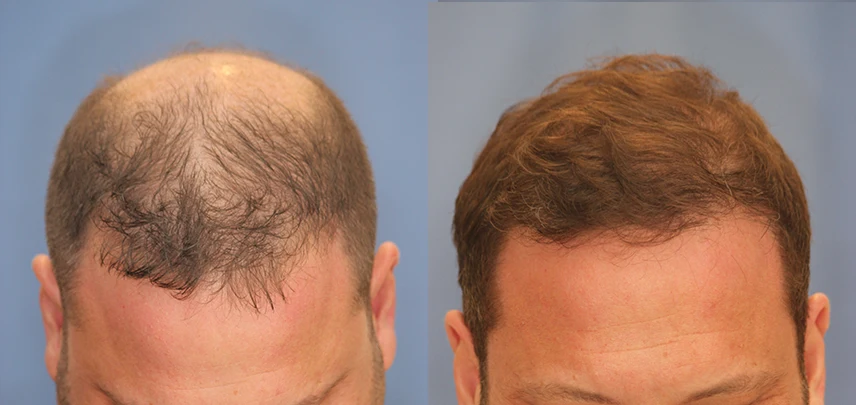
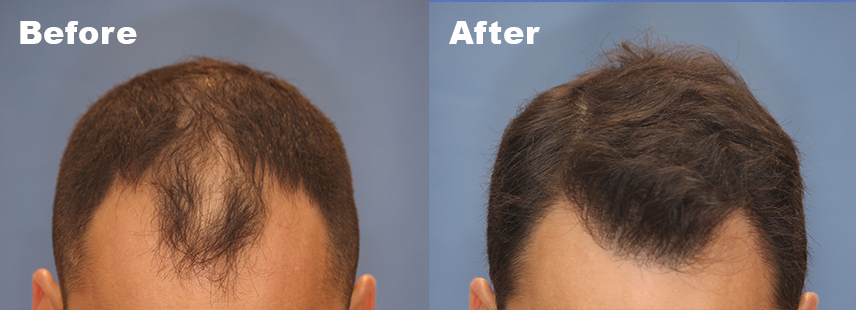
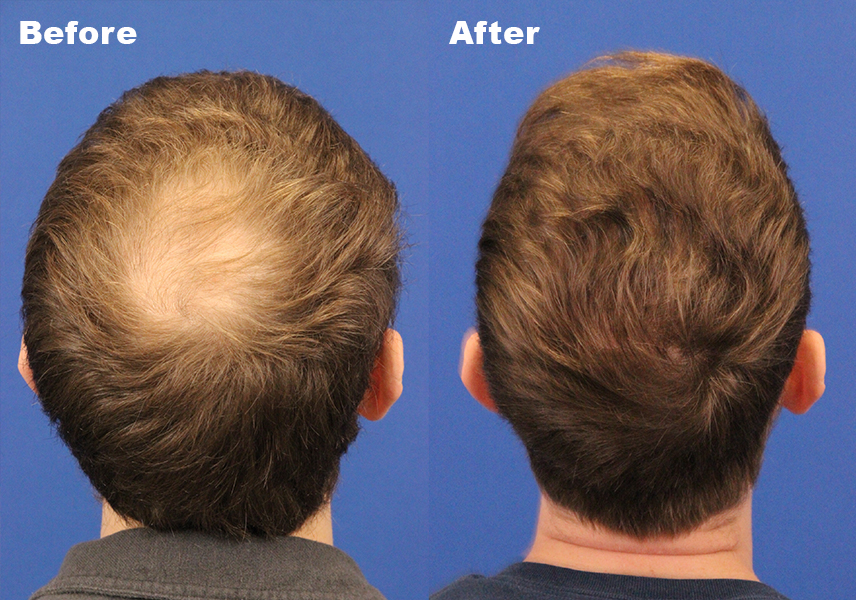
Dr. Bapna’s Corrective Techniques
Modern revision procedures often combine several advanced techniques to create seamless, natural-looking results.
FUE Revision
Follicular Unit Extraction (FUE) allows individual follicular units to be harvested and strategically transplanted into areas requiring additional density or improved design without creating a linear scar.
Hairline Redesign
A carefully designed hairline should complement your age, facial proportions, and anticipated future hair loss. Dr. Bapna creates individualized hairline designs that appear natural from every angle.
De-Emphasis Grafting
When large grafts cannot be removed entirely, smaller follicular units may be strategically placed around them to soften their appearance and create a more natural transition.
Graft Removal or Relocation
Some grafts may be carefully removed or relocated when they are positioned outside the natural hairline or grow in an unnatural direction.
Scar Camouflage
Hair follicles can often be transplanted into visible scars to improve their appearance and blend them more naturally with the surrounding scalp.
Density Enhancement
Additional grafts may be placed to improve overall fullness and create a more balanced distribution of hair across thinning areas.
 –
–
Written on August 21, 2019
After doing my research into hair restoration, there was no reason for me to consider anything else. I did not want a scar on the back of my head. I wanted the option of a short haircut or even a complete shave – down the road. I also did not want to go through the extended healing and pain of the strip method offered to me by Bosley. I was willing to pay more. It just made sense.

What to Expect During Corrective Hair Transplant Surgery in Dublin, OH
Dr. Bapna takes an individualized approach to address your unique concerns and previous treatment history. Your journey typically includes the following steps:
Step 1: Comprehensive Consultation
Dr. Bapna will review your medical history, assess your previous hair transplant, evaluate your donor hair and scalp, and discuss your goals to determine whether revision surgery is the right option.
Step 2: Personalized Treatment Planning
Based on your evaluation, Dr. Bapna will develop a customized surgical plan. Depending on your needs, this may include FUE grafting, hairline redesign, graft removal or relocation, scar camouflage, or a combination of techniques.
Step 3: Your Procedure
The surgery is performed using local anesthesia for your comfort. Dr. Bapna carefully places or revises individual follicular units to create a more natural appearance while preserving your remaining donor hair.
Step 4: Recovery, Follow-Up Care, and Results
Mild swelling, redness, and small scabs are expected during the first week. Dr. Bapna will monitor your healing during follow-up visits. While transplanted hairs typically shed before regrowing, new growth generally begins within three to four months, with continued improvement over the following 12 to 18 months.
Benefits
Revision surgery offers both cosmetic and emotional benefits by improving the appearance of previous procedures. Potential benefits include:
- A more natural-looking hairline
- Improved hair density
- Softer graft transitions
- Better hair direction
- Reduced visibility of scars
- Restoration of facial balance
- Increased confidence
- Long-lasting results
Who Is a Candidate?
You may be a candidate if you:
- Are dissatisfied with a previous hair transplant
- Have visible hair plugs
- Have an unnatural hairline
- Experience poor density after surgery
- Have noticeable transplant scars
- Possess adequate donor hair
- Are in good general health
- Have realistic expectations regarding revision surgery
A consultation is the best way to determine whether hair transplant corrective surgery is appropriate for your needs.
Risks and Safety
Hair transplant correction is generally safe when performed by an experienced surgeon, but as with any procedure, there are potential risks. These may include swelling, bruising, temporary shedding, infection, scarring, or uneven hair growth. Because revision procedures often involve scar tissue and limited donor hair, realistic expectations are essential. During your consultation, Dr. Bapna will discuss your individual risks, evaluate your donor supply, and determine whether the procedure is appropriate for your goals.
Why Choose Dr. Bapna for Hair Transplant Revision in Columbus & Dublin?
Revision surgery requires significantly more experience and planning than a primary hair transplant. Every follicle is valuable, particularly when donor hair has already been used.
Dr. Sumit Bapna combines extensive expertise in facial plastic surgery with advanced hair restoration techniques to develop thoughtful, individualized treatment plans for even the most challenging revision cases. Patients throughout Columbus, Dublin, and Central Ohio trust Dr. Bapna because he offers:
- Double board certification, American Board of Facial Plastic and Reconstructive Surgery and the American Board of Otolaryngology-Head and Neck Surgery
- More than two decades of experience and author of widely published research articles
- Caste Connoly, Top Asian American and Pacific Islander (AAPI) physician
- A commitment to natural-looking, lasting results and ensuring patient safety and comfort throughout